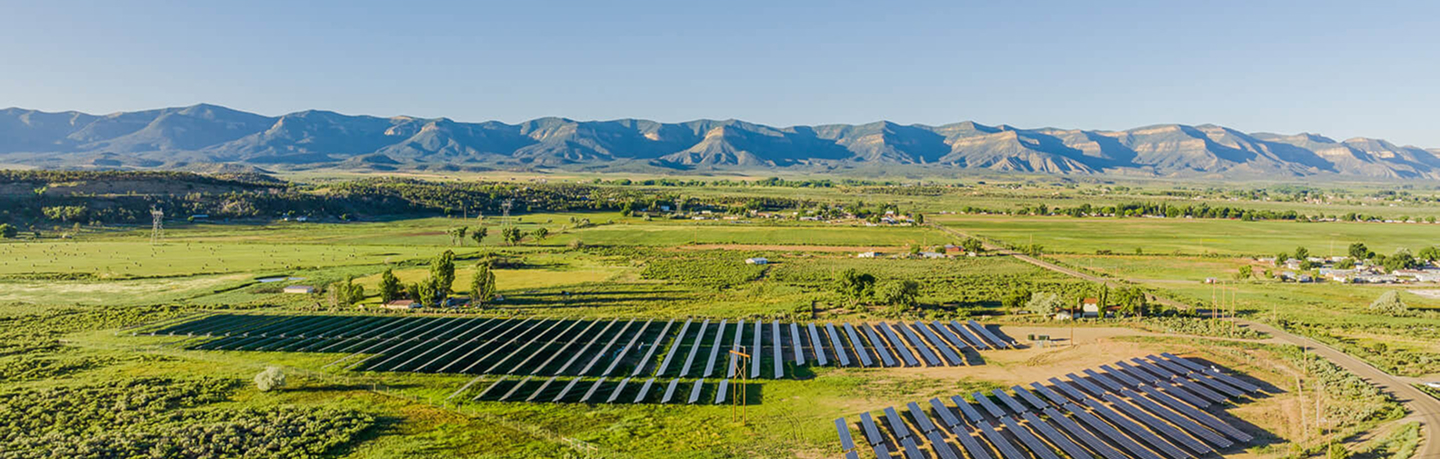

The modern era is being defined more and more by climate urgency and sustainable innovation. Naturally, the burning question is – whether fossil fuels and renewables can coexist. Most people would say that renewables are supposed to grow more over fossil fuels, and be welcomed more, there is also another theory.
Many experts and industry leaders are considering whether hybrid models can be used, integrating both. Integrating solar panels from top solar panel equipment manufacturers into petrochemical operations – this is one of the top strategies being proposed today. But can fossil and renewable coexist, helping businesses to welcome clean energy while not giving up petrochemicals completely?
Strategic Renewable Integration With Solar Panels: Why is It Being Proposed?
For a long time, petrochemical companies have been viewed as carbon-heavy energy producers. These companies have long faced the heat to reduce emissions.
Today, global climate goals, demands of shareholders and regulatory mandates are making the need for sustainable transformation more pressing than ever. However, these companies are still supplying more than 98% of the raw materials for:
- Plastics,
- Fertilizers,
- Solvents, and
- Other industrial essentials
Petrochemical firms are not phasing out their existing infrastructure yet. These businesses are now exploring opportunities to retrofit their operations, so that they can support decarbonization goals. Due to this reason, strategic renewable integration with solar panels is a proposed strategy. Many believe that this can offer scalable energy solutions in any area.
Solar Panels: More Than Just a Clean Energy Source
Today, solar panels are not just being regarded as a renewable alternative to grid electricity. These have become a big part of the growing Clean Energy sector. Solar panels need various raw materials for their production, such as:
- Silicon,
- Glass,
- Polymers, and
- Specialty chemicals
It is interesting to note that many of these overlap with what petrochemical companies produce already. Naturally, petrochemical firms can explore a unique opportunity to diversify vertically. These businesses can enter the solar panel equipment manufacturing market, leveraging the potential of industrial materials like polymers. Traditional energy producers can turn into solar panel equipment manufacturers, producing solar panel components, supplying renewable infrastructure and developing on-site solar farms to power operations.
Solar Panel and Renewable Energy: A New, Hybrid Industrial Model
Today, a hybrid model involving fossil and renewable energy is already taking shape. Petrochemical plants can support solar initiatives by allocate parts of their operations while reducing their dependence on fossil-based inputs gradually.
These businesses can reduce the carbon footprint of petrochemical processing with solar power generation on-site. They can also use the petrochemical production byproducts and waste heat for solar panel fabrication. Further, they can manufacture specialty coatings, polymers and backing materials that are used in photovoltaic cells and modules.
When these companies develop solar panel assembly units on-site, they can also generate parallel revenues.
So, it is easy to understand how a hybrid model can help with infrastructure sharing and make operations more efficient, other than ensuring sustainability.
Real-world Examples and Industry Trends: Solar Infrastructure and Renewables Are Coexisting Already
Look around, and it is easy to see how many key players have started adapting this hybrid approach already. For instance, oil majors like TotalEnergies and Shell have already put big money in solar infrastructure, integrating renewables into their downstream operations.
Integrated energy parks have started coming up in the Middle East and Asia already, where solar panels and petrochemicals are existing side by side, under one industrial umbrella.
These developments make it clear that renewable production lines and traditional fossil fuels can not only coexist, but also enhance each other upon strategic alignment.
Early movers can stand to benefit in many ways:
- Creating a diversified portfolio, more resilient to fluctuating oil and gas prices
- Improving brand equity
- Attracting ESG-focused investors
- Opening up new revenue streams
The benefits will be evident for those who are prepared to evolve, making the most of the growing global market for solar equipment and services.
Takeaway
It is clear that the future holds out promise. Integrating solar panels with petrochemical operations can make for a strategic convergence. With existing infrastructure, tools and technologies, petrochemical companies can reduce operational emissions, manufacture solar panel components and generate clean energy on-site. It can shape the next industrial era and emerge as the path forward for the energy industry.