Power strategy has traditionally focused on where electricity comes from and whether enough capacity is available. Storage adds another question because electricity generated or purchased at one point can serve demand later. This becomes especially relevant for sites with variable renewable output, sharp demand peaks, or changing tariff periods.
A battery can hold energy through one part of the day and release it during another. Once timing becomes flexible, the rest of the power system starts working differently.
Storage Separates Supply From Demand
A battery energy storage system gives a site more freedom over when available electricity gets used.
Solar generation may peak around midday, for example, while a factory reaches heavier demand several hours later.
A BESS can carry part of that earlier supply forward and release it when the load rises. The site now has another way to decide when grid power, onsite generation, or stored electricity should serve demand.
What Timing Flexibility Can Change
Once electricity can move across time, storage starts affecting several parts of the power strategy.
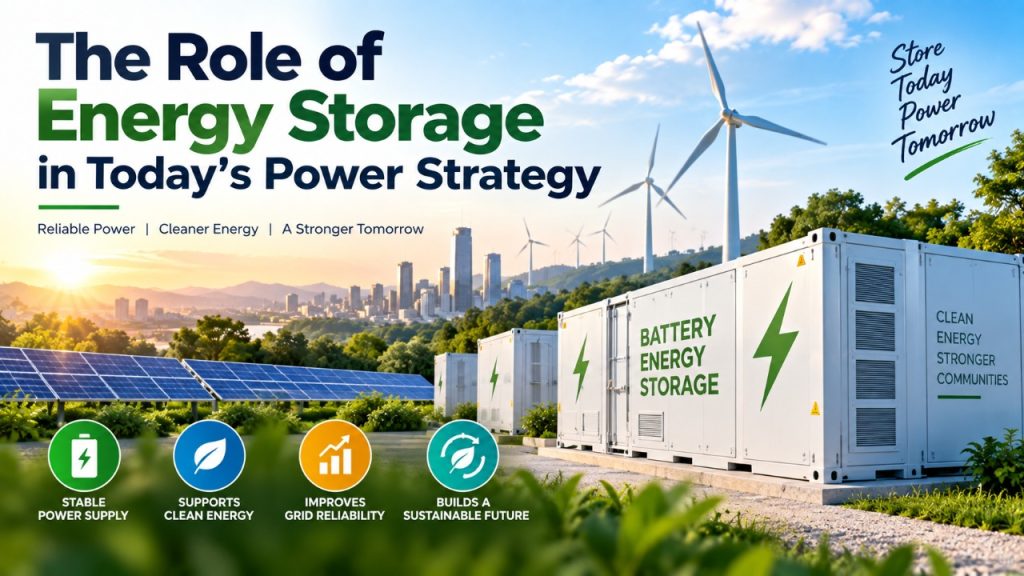
- Peak shaving can reduce grid draw during short periods of unusually high demand.
- Load shifting can move electricity from lower-cost periods into more expensive hours.
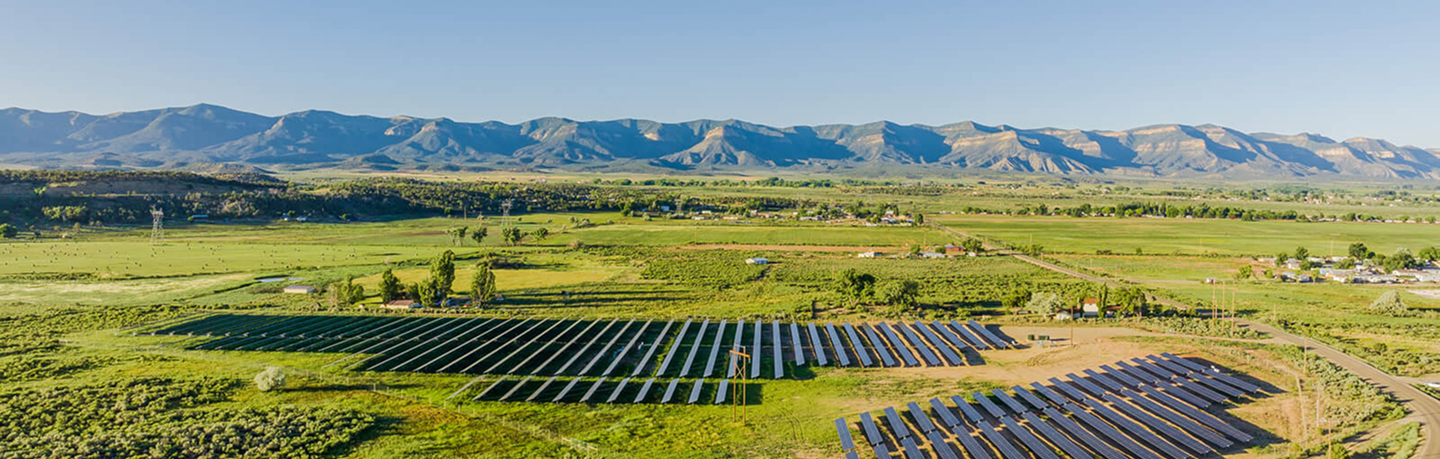
- Solar plus storage can hold surplus daytime generation for use after solar output falls.
- Backup power can keep critical loads supported during a supply interruption.
Each use draws on the same stored energy, so operating priorities shape how that capacity gets used.
One Battery Can Carry Competing Priorities
A battery reserved mainly for backup needs enough charge available for an outage. The same capacity may also look useful for daily peak shaving or tariff management.
Those objectives can pull the battery in different directions.
Heavy daily cycling leaves less stored energy available at certain moments, while keeping a large reserve leaves less room for surplus renewable generation. Energy storage therefore becomes a question of priority as much as capacity.
Storage Changes How Other Assets Are Used
Once storage enters the system, grid supply, onsite generation, and backup power can each take on a different role. Solar may cover immediate daytime load while excess generation charges the battery.
Later, stored electricity can support a peak or part of the evening load, reducing pressure on another source.
For businesses using C&I energy storage, this changes how the whole power mix is scheduled through the day.
The Site Decides What Storage Should Prioritise
The useful storage strategy usually comes from the operating conditions the site already has.
- Load pattern shows when demand rises and how long heavier periods last.
- Backup duration defines how long critical equipment needs stored power.
- Renewable output affects how much surplus electricity may be available for charging.
- Tariff structure influences the value of moving electricity between time periods.
- Growth plans shape whether future demand may call for more storage.
These factors help explain why different sites can require very different commercial energy storage systems.
Capacity Follows the Job
Storage capacity makes more sense once the intended role is clear.
A site looking for brief peak support has a different requirement from one seeking several hours of backup for critical operations.
The same applies to solar plus storage, where daily renewable energy integration may call for frequent cycling.
Once the role is defined, power rating, energy capacity, reserve levels, and control settings can be matched to the work the battery needs to perform.
Final Thoughts
Energy storage earns its place in a power strategy because it gives operators more control over when electricity is used. This control can affect peaks, renewable utilisation, backup planning, and the way grid or onsite supply is called upon through the day.
Our energy storage range includes C&I ESS and Container ESS for commercial, industrial, and larger-scale requirements.
For more information about energy storage options for your operation, get in touch with us today.