Most businesses already have an energy system keeping production, cooling, machinery, or other loads running every day. When solar, wind, or battery storage enters the picture, it usually joins equipment and supply arrangements that are already in place.
For an industrial site, the practical question becomes how the new source should fit into what already works and which part of the demand it should carry. This is where a hybrid energy system starts to make sense.
The Transition Starts With the Load
A useful energy transition starts with the load the site already has to serve, because demand keeps moving even as the energy mix changes.
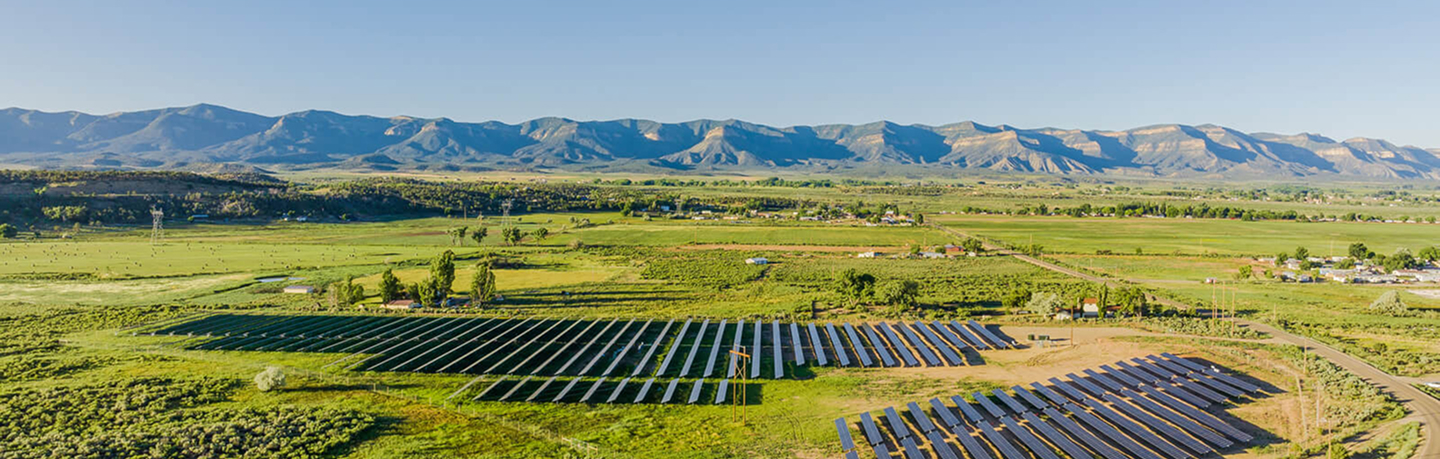
A factory may draw heavily from the grid during production hours, keep a generator available for firm supply, and then add solar to cover part of its daytime consumption.
Adding a battery energy storage system (BESS) changes the picture again. Electricity produced during a quieter period can be stored for a later peak, which gives the site another way to decide where its power comes from at different points in the day.
The energy mix now has several moving parts, but they all serve the same load.
Each Source Can Take a Different Job
A hybrid energy system becomes more useful when each asset carries the part of the demand that suits its operating characteristics.
- Solar or wind generation can supply part of the site load whenever the resource is available.
- A BESS or C&I energy storage system can hold surplus electricity and release it during short peaks or higher tariff periods.
- Grid or dispatchable generation can carry sustained demand and longer supply gaps when the operation needs firm power.
- An energy management system can track demand, renewable output, battery charge, tariffs, and equipment availability as those conditions change.
This division of work gives the site several ways to meet the same demand. It also creates the foundation for the next part of the system, because someone or something has to decide when each asset should take over.
Control Decides How the Mix Behaves
The control layer turns separate energy assets into a coordinated operating system by changing their roles as conditions move through the day. Consider the same factory as morning production begins and electricity demand rises before solar output reaches its strongest period.
As solar generation increases, it can take a larger share of the running load. If output later moves above immediate demand, the energy management system can direct the surplus into battery storage.
When solar production falls and the evening load remains high, stored electricity can return to the site. Grid supply or another firm source can then carry the remaining requirement, giving the business one continuous energy plan across very different operating conditions.
The Mix Can Change as the Business Grows
A hybrid model also gives a growing business room to change its energy mix over time instead of designing today’s system around every possible future requirement. A manufacturer may begin with photovoltaic generation and C&I storage, then add more capacity when another production line increases its load.
The same idea applies to containerized energy storage, which can provide a modular route for adding storage capacity as requirements increase.
Existing firm supply can continue carrying part of the operation during earlier phases, then take a smaller share as renewable generation and storage expand.
Energy strategy then becomes something the business can adjust alongside production, electricity costs, available technology, and future growth.
Final Thoughts
The future of energy will likely be shaped by systems that can change their mix as operating needs change. Cleaner generation can take a growing share, storage can move energy to the hours where it has more value, and firm supply can support the periods that still require it.
Our work across solar, wind, C&I ESS, Container ESS, and the wider energy sector gives us a close view of how different technologies can serve different parts of the same requirement. The right mix will vary from one operation to another.
For more information on energy systems for your operation, contact us.